

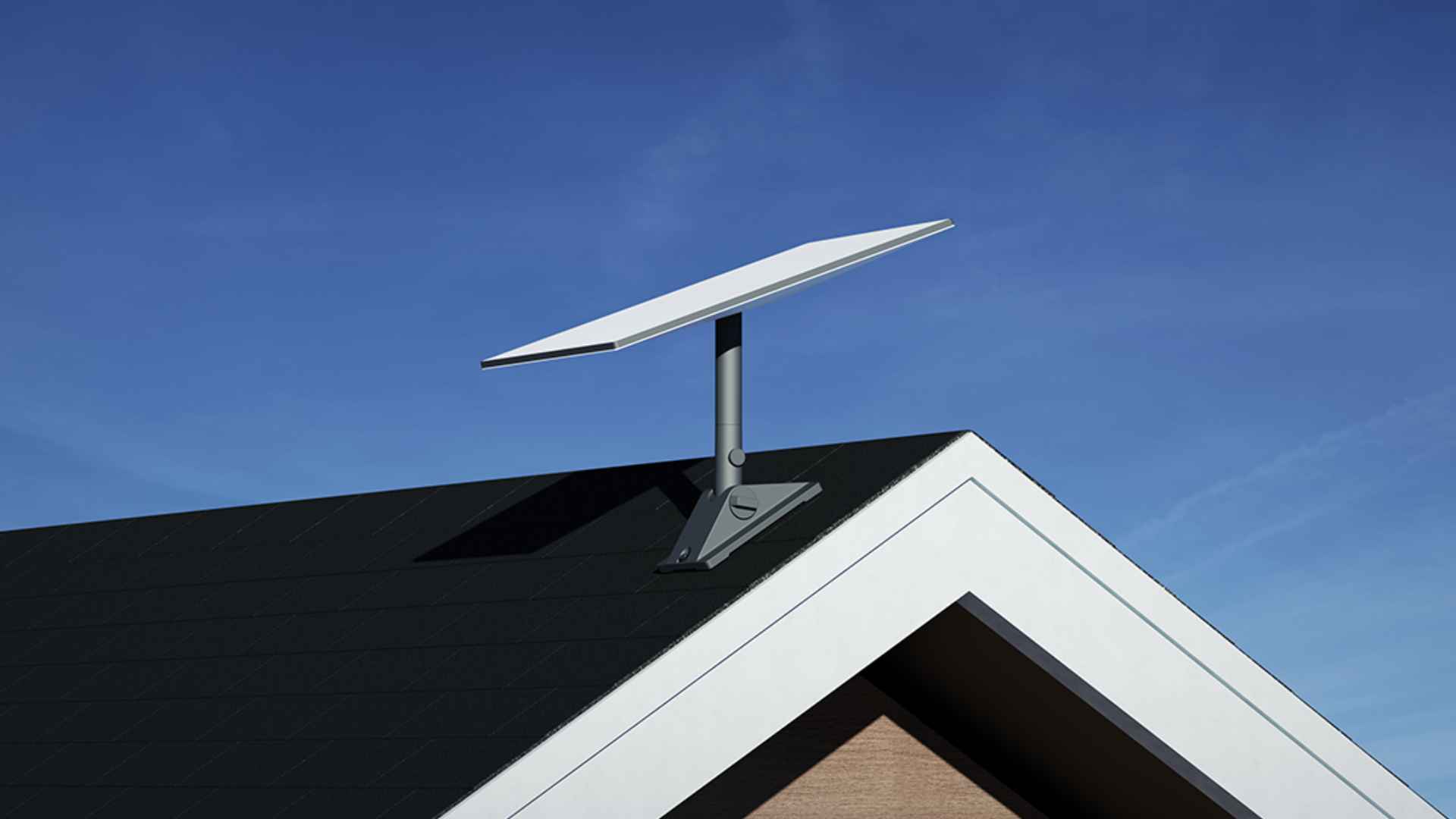
Starlink has a new router on the way. It turned up in official paperwork this month rather than an announcement, which is usually how these things surface first. That makes it a decent moment to talk honestly about satellite broadband for business, because it suits some sites brilliantly and others not at all.
Where satellite broadband for business genuinely works
Satellite earns its place when cable is not coming. Farms, quarries, holiday parks, marinas and hillside venues all fall into that group, and North Wales has plenty of each. Instead of waiting years for a fibre build, you point a dish at the sky and you are online.
It also works well as a second connection. If your main line goes down, having something completely separate to fall back on keeps the tills running. Besides that, it moves. Temporary offices, construction compounds and event sites can all take it with them.
What the new router changes
The filing shows a Wi-Fi 7 router with one incoming network port, two outgoing ones and power delivered down the network cable itself. That last detail matters more than it sounds, because it means fewer plug sockets needed in awkward places.
Be clear about what it does not do, though. Wi-Fi 7 improves how the signal is shared around your building. It does not make the connection from space any quicker, and that connection still tops out around 400 megabits. For most offices that is plenty. For a site pushing enormous files all day, it is worth checking first.
The jargon, in plain English
- Latency. The delay before something responds. It matters for phone calls and video, far less for email or browsing.
- Wi-Fi 7. The newest wireless standard. It handles lots of devices at once more gracefully, which helps in a busy building.
- Failover. A second connection that takes over automatically when the first one drops, usually without anyone noticing.
- Power over Ethernet. Sending power down the same cable as the data, so kit can go where there is no plug socket.
Making satellite broadband for business work properly
The dish needs a clear view of the sky, so a wall behind a tall building or under heavy tree cover will cause trouble. Getting the mounting right is most of the job.
After that, the weak link is usually the Wi-Fi inside, not the connection outside. A strong signal at the dish means nothing if it cannot reach the far end of a stone-walled barn conversion. Proper access points generally solve that.
"People blame the satellite when the real problem is the walls. We see it constantly. Get the dish sited properly and the Wi-Fi done properly, and it's a genuinely good connection. Skip either bit and you'll spend a year complaining about it."
Rob Mason, Technical Director, Excel Communications
Rural pubs, hotels and holiday sites get the most from this, because guests now expect a working connection wherever they are. Our hospitality solutions page goes into that further.
If you are not sure whether satellite suits your site, we will tell you straight, including when it does not. Have a look at our Starlink options or call us on 0800 711 7111.
